Glowing proteins help MIT scientists illuminate cellular mysteries
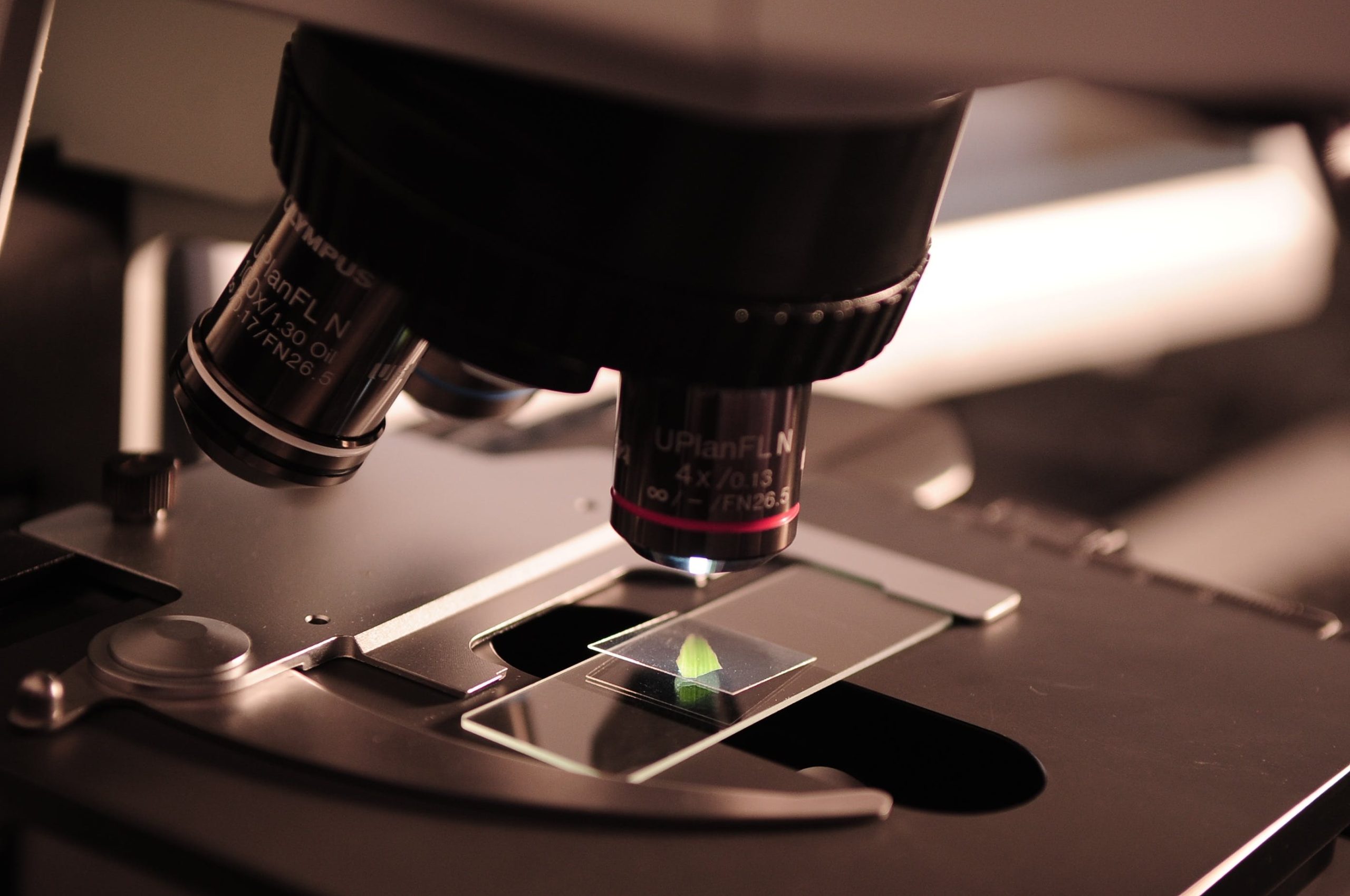
A group of MIT researchers has developed a groundbreaking new imaging approach that allows scientists to watch as much as seven completely different molecules at once inside living cells. This new technique, described in a examine printed as we speak in Cell, will give researchers an unprecedented view into the advanced molecular signaling networks inside cells.
Based on a Nov. 28 announcement, the approach makes use of fluorescent reporter proteins that swap on and off, or “blink”, at completely different charges. By imaging cells over time and computationally extracting every fluorescent sign, the researchers can observe altering ranges of a number of goal proteins concurrently.
“There are various examples in biology the place an occasion triggers a protracted downstream cascade of occasions, which then causes a particular mobile perform,” stated senior writer Dr. Edward Boyden, the Y. Eva Tan Professor in neurotechnology at MIT. “It’s arguably one of many basic issues of biology, and so we questioned, might you merely watch it occur?”
Beforehand, typical fluorescence microscopes had been restricted to distinguishing possibly two or three colours, limiting scientists to seeing only a tiny a part of general exercise. By exponentially rising the variety of molecular indicators they’ll visualize, Dr. Boyden’s group has overcome a serious barrier.
This strategy might be revolutionary for elucidating phenomena like cell aging, cancer metastasis, studying and reminiscence within the mind, and extra by revealing how networks of indicators work together. The researchers have already demonstrated it in cell division cycles and plan to review issues like nutrient response, gene expression adjustments, and neural signaling subsequent.
“You would contemplate all of those phenomena to signify a basic class of organic downside, the place some short-term occasion — like consuming a nutrient, studying one thing, or getting an an infection — generates a long-term change,” defined Dr. Boyden.
The bottom line is utilizing fluorescent labels that blink on and off at outlined charges, then computationally unmixing their indicators after imaging cells for minutes to days. The group continues working to broaden their fluorescent palette even additional. Importantly, implementation is simple on fundamental mild microscopes already ubiquitous in labs worldwide.
Featured Picture: Pexels

Radek Zielinski
Radek Zielinski is an skilled expertise and monetary journalist with a ardour for cybersecurity and futurology.
Trending Merchandise


![CRATIX 360°Rotatable and Retractable Car Phone Holder, Rearview Mirror Phone Holder [Upgraded] Universal Phone Mount for Car Adjustable Rear View Mirror Car Mount for All Smartphones](https://m.media-amazon.com/images/I/410N7NZtIjL._SS300_.jpg)




![Car Phone Holder Mount, [Military-Grade Suction & Super Sturdy Base] Universal Phone Mount for Car Dashboard Windshield Air Vent Hands Free Car Phone Mount for iPhone Android All Smartphones](https://m.media-amazon.com/images/I/51KK2oa9LDL._SS300_.jpg)