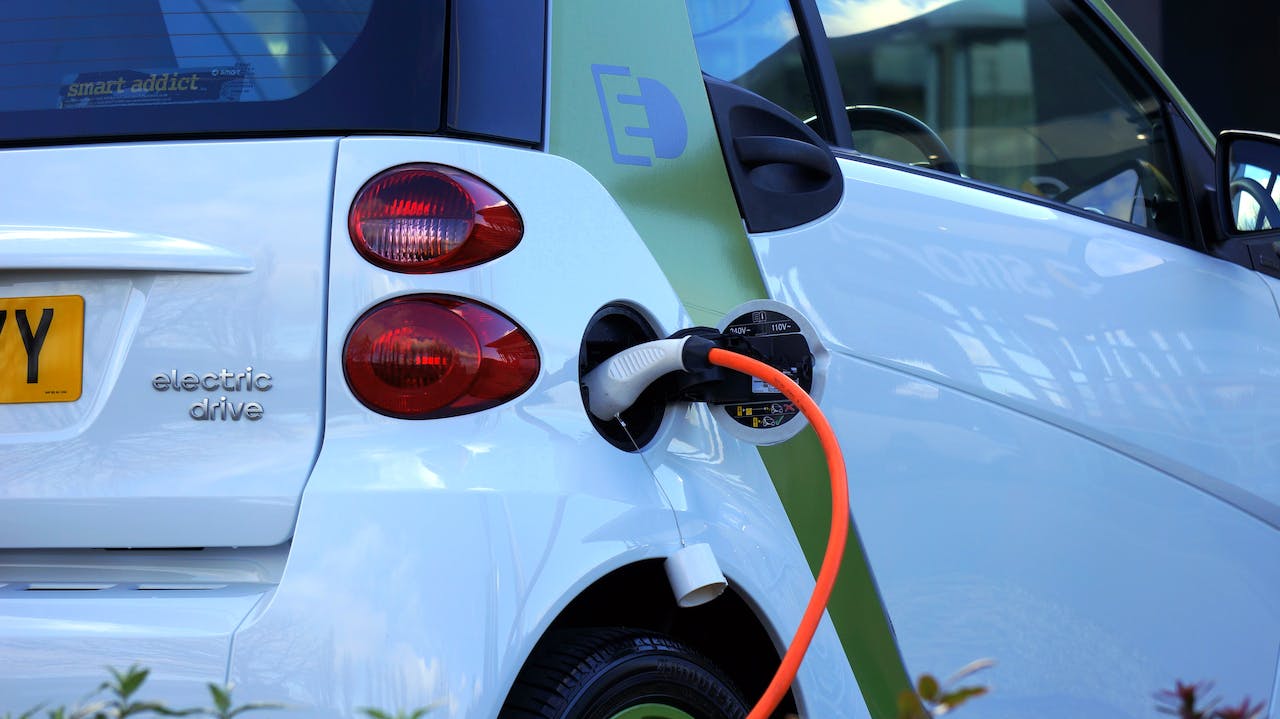
A brand new chapter within the electrical automobile (EV) sector has begun, as two Chinese car manufacturers not too long ago unveiled sodium-ion–powered EVs, shifting away from lithium, the steel that has remodeled the trade. This technological breakthrough has led to issues about Western corporations shedding their grip on sodium-ion battery innovation in China, which may lead to a aggressive drawback within the shortly growing EV market. The change to sodium-ion batteries for electrical autos may doubtlessly cut back prices and reliance on scarce lithium assets, providing important alternatives for the automotive trade. Nonetheless, as Chinese language corporations cleared the path in creating and implementing this cutting-edge know-how, Western counterparts should put money into research and development to keep up their stance within the international EV market and never fall behind on this rising area.
Advantages of sodium-ion batteries
Introducing sodium-ion batteries in these new vehicles signifies a big departure from the broadly used lithium-ion batteries within the EV trade. Sodium-ion batteries provide a number of advantages over lithium-based batteries, such because the abundance of sodium, making them extra sustainable and inexpensive. Moreover, these batteries sometimes carry out higher in excessive temperatures, making them an interesting alternative for electric vehicles in numerous environments. Moreover, sodium-ion batteries have an extended life cycle, decreasing the necessity for frequent replacements and decreasing total environmental influence. This cutting-edge know-how additionally possesses faster charging capabilities, in the end enhancing the person expertise and comfort for electrical automobile house owners.
Competitiveness within the EV market
The adoption of this know-how by Chinese language automobile producers has initiated discussions concerning the competitiveness of the EV market, particularly about battery know-how. As China appears to be main the cost, issues have emerged that Western corporations are lagging in pursuing the potential benefits of sodium-ion batteries. These apprehensions are legitimate, contemplating {that a} shift to sodium-ion batteries may doubtlessly decrease manufacturing prices and enhance the general effectivity of electric vehicles. Due to this fact, Western corporations should put money into analysis and growth to maintain up with the competitors, or they threat falling behind in a quickly rising trade that has the potential to reshape the automotive market.
Adapting to technological enhancements
As the worldwide demand for electrical autos is predicted to soar within the coming a long time, Western producers should act promptly to embrace and modify to those technological enhancements to keep up their place within the repeatedly rising EV market. Failure to adapt to the altering panorama may lead to important losses as extra environmentally-conscious customers shift their purchases in the direction of eco-friendly autos. Firms that embrace innovation and take part within the international shift in the direction of electrical autos will in the end profit from model loyalty, reduced environmental impact, and elevated aggressive benefit within the increasing market.
Sustainable practices will necessitate funding in analysis and growth, strategic collaborations, and a dedication to sustainable practices within the quest for cleaner, extra eco-friendly transportation choices. More and more, corporations and governments are recognizing the significance of those efforts, as demonstrated by the rise of electrical automobile adoption, the push for improved public transit, and the event of progressive transportation applied sciences.
The latest unveiling of sodium-ion–powered electrical autos by Chinese language automobile producers has underscored the necessity for Western corporations to maintain tempo with developments in battery innovation. This breakthrough in sodium-ion battery know-how presents a compelling various to conventional lithium-ion batteries, providing advantages akin to cost-efficiency and a wider availability of assets.
Featured Picture Credit score: Mike Chook; Pexels

Trending Merchandise

![CRATIX 360°Rotatable and Retractable Car Phone Holder, Rearview Mirror Phone Holder [Upgraded] Universal Phone Mount for Car Adjustable Rear View Mirror Car Mount for All Smartphones](https://m.media-amazon.com/images/I/410N7NZtIjL._SS300_.jpg)




![Car Phone Holder Mount, [Military-Grade Suction & Super Sturdy Base] Universal Phone Mount for Car Dashboard Windshield Air Vent Hands Free Car Phone Mount for iPhone Android All Smartphones](https://m.media-amazon.com/images/I/51KK2oa9LDL._SS300_.jpg)