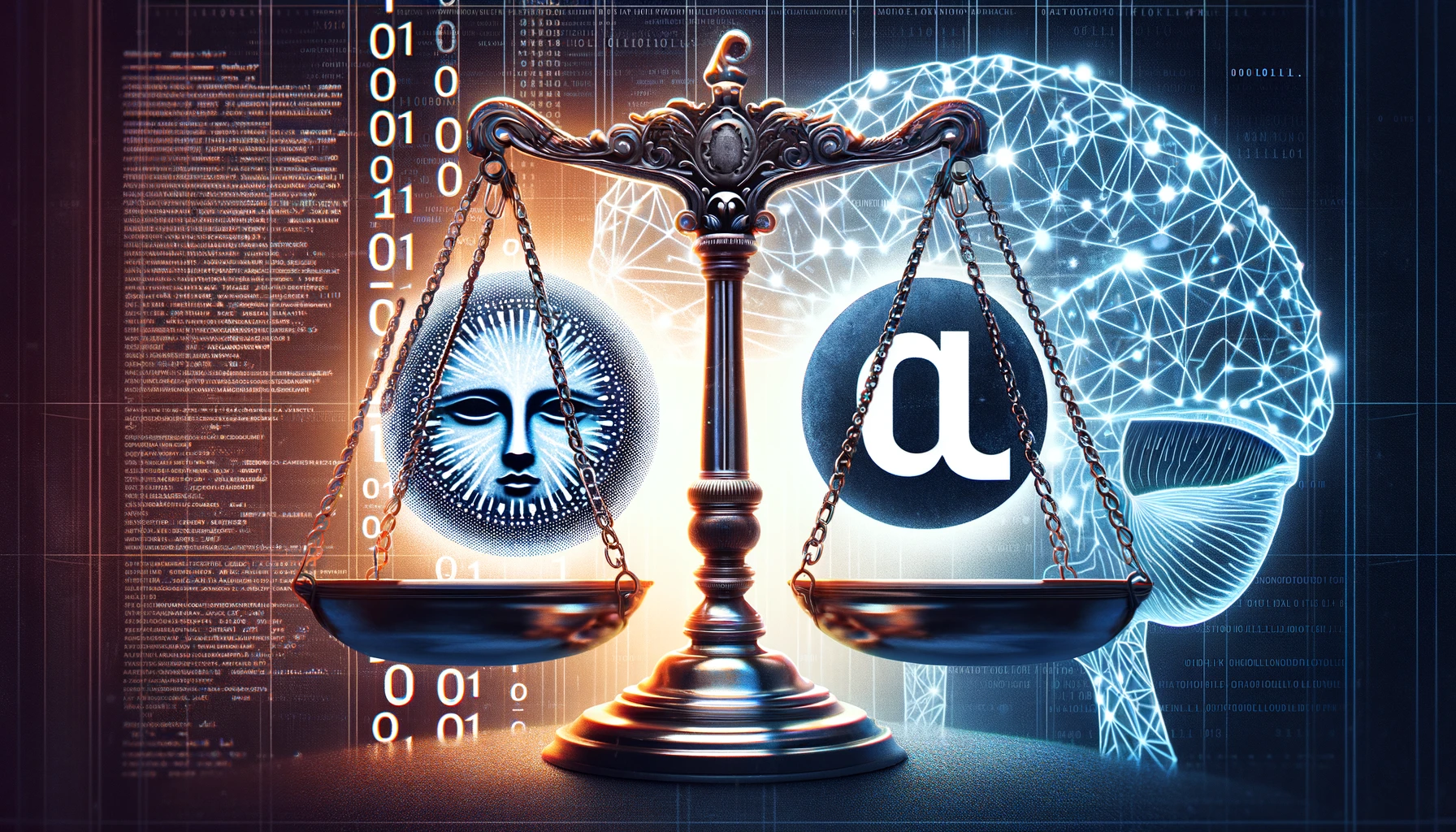
OpenAI has requested a federal choose to dismiss elements of a copyright lawsuit filed by The New York Instances, accusing the newspaper of using misleading ways to generate deceptive proof, in line with a current Reuters report. The lawsuit, which facilities across the alleged unauthorized use of the Instances’ copyrighted materials to coach OpenAI’s synthetic intelligence programs, together with the favored ChatGPT, has sparked a heated debate over the boundaries of copyright legislation and AI know-how.
OpenAI’s protection, articulated in a recent filing in Manhattan federal court docket, argues that The New York Instances contravened OpenAI’s phrases of use by utilizing “misleading prompts” to power the AI to breed the newspaper’s content material. OpenAI contends that this technique was designed to create proof for The New York Instances’ lawsuit, undermining the integrity of the authorized course of. The submitting criticizes the Instances for not adhering to its personal excessive journalistic requirements, suggesting that the newspaper employed an exterior social gathering to control OpenAI’s merchandise intentionally.
On the coronary heart of this authorized battle is the controversial question of whether or not AI’s coaching on copyrighted supplies constitutes truthful use — a precept that permits restricted use of copyrighted materials with out permission for functions reminiscent of information reporting, instructing, and analysis. Tech corporations, together with OpenAI, argue that their AI programs’ utilization of copyrighted content material is a good use, important for the event of AI applied sciences that might probably form a multitrillion-dollar {industry}. Nevertheless, copyright house owners, together with The New York Instances, contend that such practices infringe on their copyrights, unduly benefiting from their in depth investments in authentic content material.
Judicial precedents and the way forward for AI
The case towards OpenAI and its major monetary supporter, Microsoft, is a part of a broader development of copyright lawsuits focusing on tech corporations over AI coaching practices. Nevertheless, courts have but to offer a transparent verdict on the truthful use query within the context of AI, with some infringement claims being dismissed because of inadequate proof of AI-generated content material resembling copyrighted works intently.
OpenAI’s submitting emphasizes the challenges in utilizing ChatGPT to systematically reproduce copyrighted articles, arguing that the situations cited by the Instances have been anomalies ensuing from in depth manipulation. The corporate additionally posits that AI fashions buying data from varied sources, together with copyrighted supplies, is inevitable and can’t be legally prevented, drawing a parallel with conventional journalistic practices of re-reporting information.
Because the lawsuit progresses, the end result might have profound implications for the way forward for AI improvement and the appliance of copyright legislation within the digital age. A ruling in favor of OpenAI might solidify the authorized standing of AI’s truthful use of copyrighted supplies, probably accelerating the expansion of AI applied sciences. Conversely, a call favoring The New York Instances might impose new limitations on how AI could be skilled, impacting the evolution of AI capabilities and the tech {industry}’s trajectory.

Trending Merchandise


![CRATIX 360°Rotatable and Retractable Car Phone Holder, Rearview Mirror Phone Holder [Upgraded] Universal Phone Mount for Car Adjustable Rear View Mirror Car Mount for All Smartphones](https://m.media-amazon.com/images/I/410N7NZtIjL._SS300_.jpg)




![Car Phone Holder Mount, [Military-Grade Suction & Super Sturdy Base] Universal Phone Mount for Car Dashboard Windshield Air Vent Hands Free Car Phone Mount for iPhone Android All Smartphones](https://m.media-amazon.com/images/I/51KK2oa9LDL._SS300_.jpg)