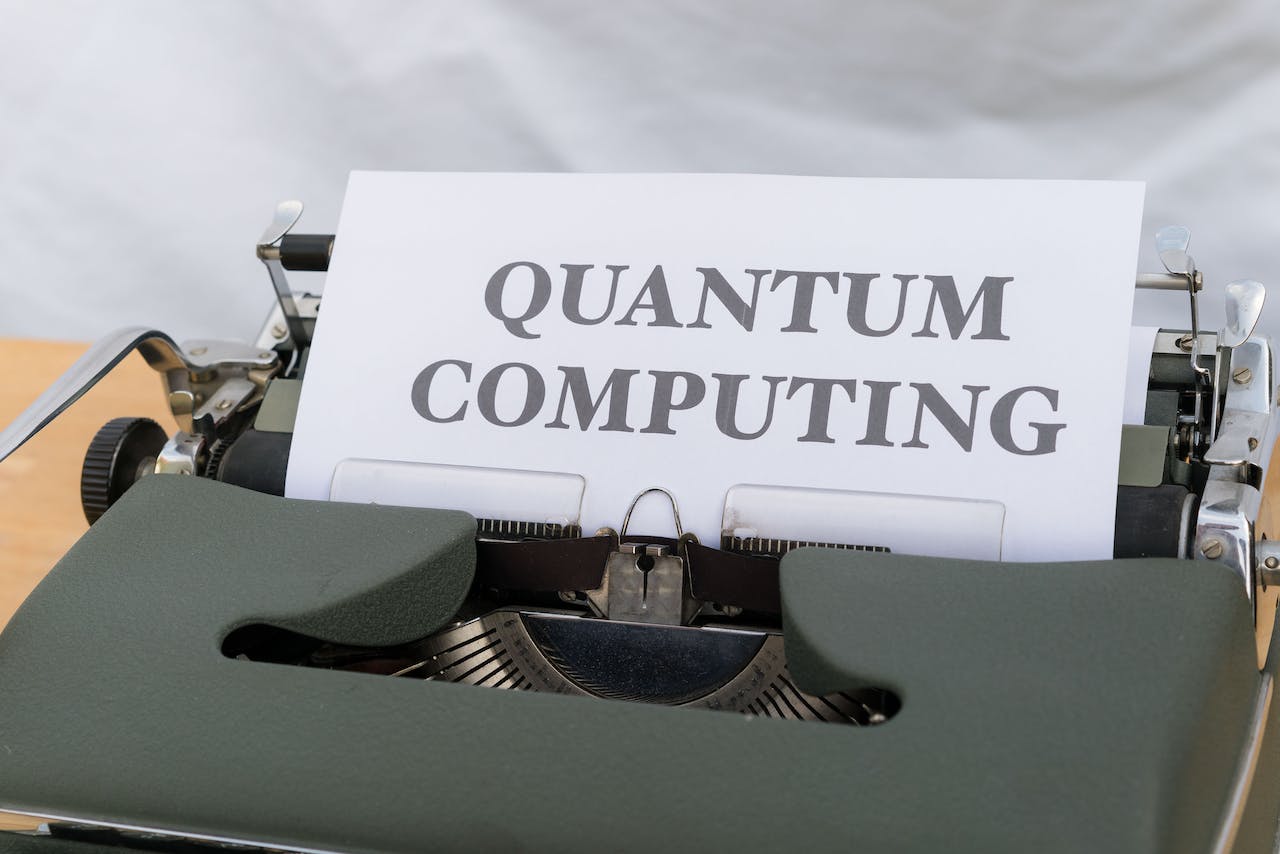
Over the previous 20 years, quite a few companies resembling Google, Microsoft, and IBM have joined the race to develop quantum computing. Buyers have contributed properly over $5 billion in the direction of the last word purpose of making the subsequent main innovation. Quantum computer systems make the most of the weird guidelines of atomic and subatomic matter to course of knowledge in methods unattainable by conventional or classical computer systems. This expertise may revolutionize industries like drug improvement, cryptography, finance, and provide chain administration.
Nonetheless, the first problem hampering the progress of quantum computing is the difficulty of noise and decoherence, which result in errors in computations. Qubits, the elemental unit of quantum computing, are extremely delicate to their setting, and any disturbance or fluctuations in temperature may cause them to lose their quantum state, affecting the accuracy and reliability of calculations.
Noise: the enemy of quantum computing
Regardless of the potential of quantum computing, it stays fragile and inclined to even the slightest disturbance, resembling a stray photon produced by warmth, an unintentional sign from close by electronics, or a bodily vibration. This noise causes chaos, resulting in errors and even bringing quantum computation to a halt. Scientists and researchers are diligently engaged on methods to mitigate this problem, using methods like error correction algorithms, higher supplies, and improved isolation methods. The race in the direction of a really practical and efficient quantum computer hinges on discovering the right steadiness between inherent fragility and sustaining efficiency capabilities.
Researchers believed they could need to work with noisy elements. Many sought purposes that will nonetheless be sensible with restricted capability. Though this search has not been significantly profitable, latest theoretical and experimental developments have given researchers hope that noise points may lastly be tackled. These developments embody growing progressive error-correcting methods and refining {hardware} designs to reduce interference, driving renewed optimism inside the scientific group.
Sabrina Maniscalco, a professor on the College of Helsinki finding out the influence of noise on computations, admitted {that a} decade in the past, she dismissed quantum computing resulting from basic points. Nonetheless, technological developments and progressive analysis round quantum computing started addressing these challenges, altering her perspective and revealing its immense potential to remodel industries and clear up complicated issues.
Combining {hardware} and software program methods
A mixture of {hardware} and software program methods reveals potential in decreasing, managing, and correcting quantum errors, aiming to boost stability and enhance general efficiency. Researchers are making important strides towards attaining fault-tolerant quantum computing by combining superior algorithms with strong {hardware} designs.
Featured Picture Credit score: Picture by Markus Winkler; Pexels

Trending Merchandise


![CRATIX 360°Rotatable and Retractable Car Phone Holder, Rearview Mirror Phone Holder [Upgraded] Universal Phone Mount for Car Adjustable Rear View Mirror Car Mount for All Smartphones](https://m.media-amazon.com/images/I/410N7NZtIjL._SS300_.jpg)



![Car Phone Holder Mount, [Military-Grade Suction & Super Sturdy Base] Universal Phone Mount for Car Dashboard Windshield Air Vent Hands Free Car Phone Mount for iPhone Android All Smartphones](https://m.media-amazon.com/images/I/51KK2oa9LDL._SS300_.jpg)