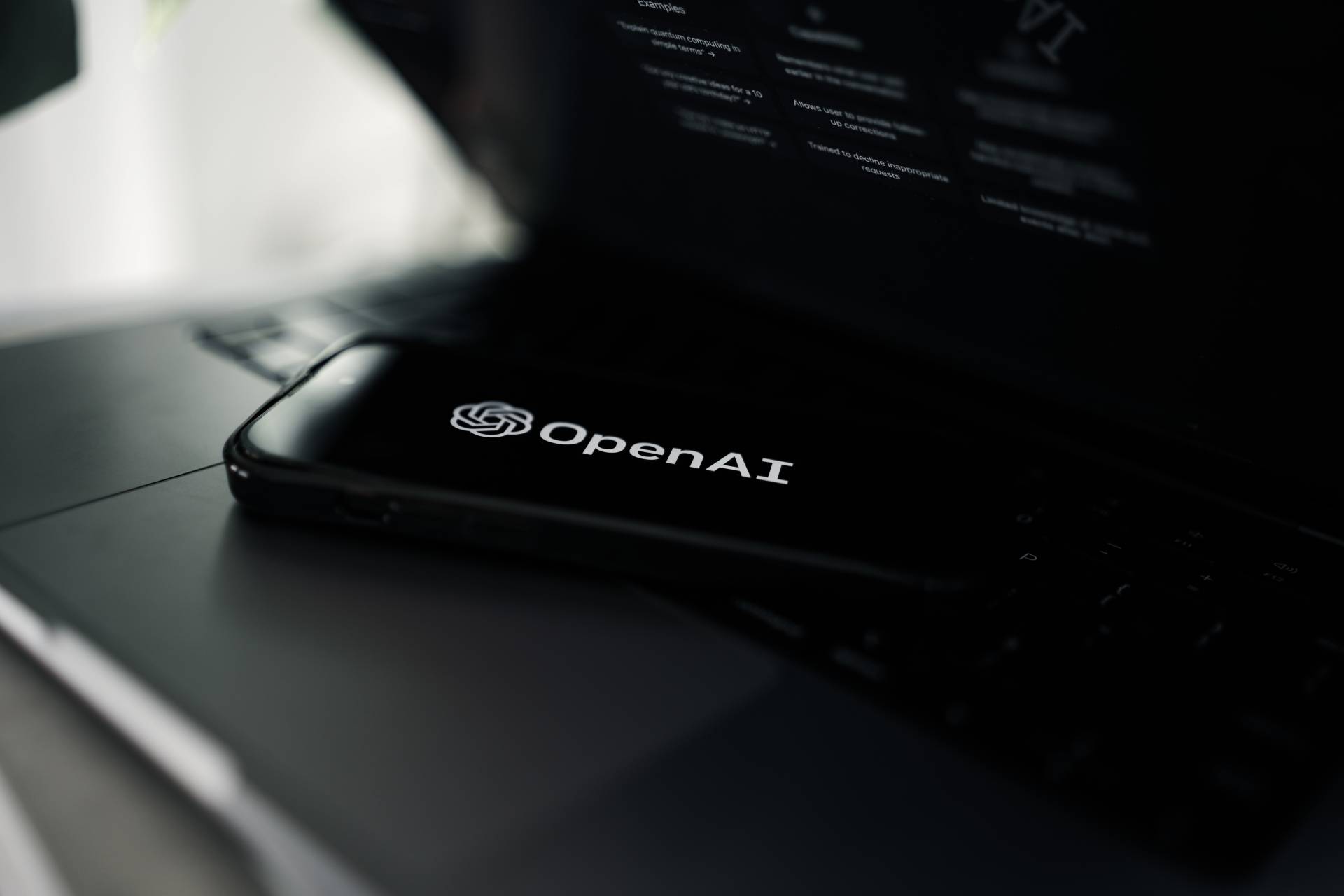
OpenAI, the group behind the groundbreaking ChatGPT, has taken one other vital stride within the realm of synthetic intelligence. This time, they’ve ventured into the visible area with the introduction of GPT-4V, a mannequin designed to grasp and generate visible content material.
Nevertheless, as with all technological development, it comes with its set of challenges. A latest article by Simon Willison highlights one such concern: prompt-injection assaults.
OpenAI’s GPT-4V: Bridging textual content and imagery
GPT-4V — aka GPT-4V(ision) — is a multi-modal mannequin, which suggests it’s educated to course of each textual and visible information. In keeping with the system card released by OpenAI, this mannequin can generate photographs from textual descriptions, reply questions on photographs, and even full visible duties that conventional GPT fashions couldn’t deal with.
For example, if supplied with a textual immediate like “a serene seaside at sundown,” GPT-4V has the potential to generate a corresponding picture. This fusion of textual content and imagery processing may revolutionize varied sectors, from content material creation to superior analysis.
GPT-4V’s immediate injection
Immediate-injection assaults occur when malicious actors alter AI mannequin prompts. This results in dangerous or deceptive outputs. GPT-4V works with textual content and visuals, rising assault dangers. Attackers can exploit this dual-input system. They craft prompts making the mannequin produce malicious outputs.
Willison’s article notes OpenAI’s system card mentions these assaults for GPT-4V. Nevertheless, it doesn’t discover the potential penalties deeply. Manipulating textual content and picture inputs may end up in misleading outputs. This contains faux information and deceptive photographs.
Implications and potential purposes
The emergence of prompt-injection assaults underscores the significance of sturdy safety measures in AI improvement. As AI fashions turn out to be extra subtle and built-in into varied sectors, guaranteeing their resistance to such assaults is essential. Builders and researchers have to be vigilant and proactive in figuring out potential vulnerabilities and devising methods to counteract them.
OpenAI, for its half, has all the time been on the forefront of addressing and mitigating dangers related to its fashions. Nevertheless, as Willison suggests, a extra in-depth exploration of prompt-injection assaults and their implications is critical.
With GPT-4V(ision), OpenAI continues its custom of pushing the boundaries of what’s attainable in AI. Because the strains between textual and visible content material blur, instruments like GPT-4V stand poised to redefine how we work together with, perceive, and create digital content material. The way forward for AI-driven content material, it appears, is not only textual however vividly visible.

Trending Merchandise

![CRATIX 360°Rotatable and Retractable Car Phone Holder, Rearview Mirror Phone Holder [Upgraded] Universal Phone Mount for Car Adjustable Rear View Mirror Car Mount for All Smartphones](https://m.media-amazon.com/images/I/410N7NZtIjL._SS300_.jpg)



![Car Phone Holder Mount, [Military-Grade Suction & Super Sturdy Base] Universal Phone Mount for Car Dashboard Windshield Air Vent Hands Free Car Phone Mount for iPhone Android All Smartphones](https://m.media-amazon.com/images/I/51KK2oa9LDL._SS300_.jpg)